Drinking Dreams in Recovery: What They Really Mean
Written by Jakub Havelka
Software engineer · 10+ years in recovery · Author of the Craving Toolkit
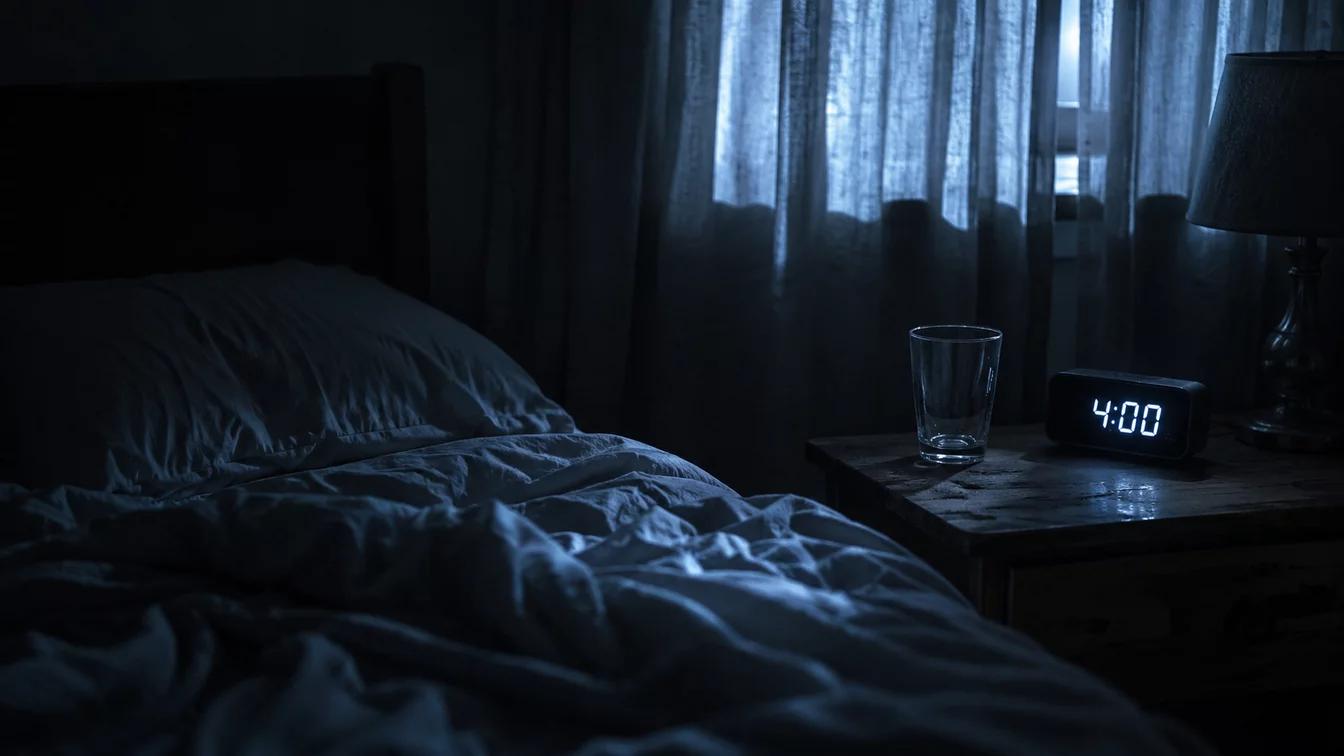
You wake up at 4 a.m. with your heart in your throat. In the dream, you were holding a glass — beer, wine, whiskey, it doesn't matter — and you drank it. The taste was real. The relief was real. The shame as you put the glass down was real. And then you opened your eyes and remembered: you have eleven months sober.
For the next few hours, you cannot tell if you actually drank.
This is a drinking dream. It is one of the most disorienting experiences in recovery, and one of the least talked about outside of meetings.
What is a drinking dream?
A drinking dream is exactly what it sounds like — a dream in which you use the substance you quit. For people in alcohol recovery, the most common script involves picking up a glass without thinking, taking a sip, and then realizing mid-drink that you've broken your streak. Others dream of full-blown benders, secret stashes, or being handed a drink at a party and saying yes before they can stop themselves.
The waking emotion is almost always the same: panic, then shame, then a slow, weird relief when you realize none of it actually happened.
These dreams are not rare. In recovery communities — the Club Soda forums, the r/stopdrinking threads, every AA meeting where someone raises a hand — they show up over and over. They tend to cluster in the early months but can appear years into sobriety. They are normal. They are not a verdict.
Why does your brain produce drinking dreams?
Three things are happening at once, and any of them on its own would be enough to generate vivid sleep content.
Your sleep architecture is reorganizing. Alcohol suppresses REM sleep — the dreaming stage — and the brain compensates with what sleep researchers call REM rebound once the substance is gone. You are dreaming more, more intensely, and remembering more of it. This is part of the same nervous system reset that produces the sleep disruption of early recovery. Your dream life is loud right now because your brain is finally allowed to dream properly.
Repetition is being processed. Charles Duhigg, drawing on the MIT habit-loop research, describes addiction as thousands of repetitions etched into the basal ganglia. The cue, the routine, the reward — looped and looped until the brain runs the sequence automatically. When you stop, that pattern doesn't vanish. It gets reviewed. Sleep is when the brain consolidates and prunes; the addiction loop, having been one of the most heavily used patterns in your life, gets a lot of airtime.
The craving system is still online. Anna Lembke describes how the dopamine pathways that drove your drinking remain reactive long after the last drink. During the day you have a prefrontal cortex to mediate. At night, that mediation goes offline. The system that wants the drink doesn't disappear when you sleep — it gets a stage.
The dream is not a prophecy. It is a discharge.
Do drinking dreams predict relapse?
No. This is the part to underline.
The Club Soda team, HealthyPlace, and Granite Recovery Centers all converge on the same point: drinking dreams are not predictors of relapse. If anything, the people who report them most often are the people most actively engaged in changing their drinking. Your brain is wrestling with the substance. That is what the dream is. Wrestling is not losing.
The folk wisdom that "a drinking dream means you're about to slip" is a myth that hurts more than it helps, because it converts a normal neurological event into a self-fulfilling spiral of shame. The shame is what's dangerous, not the dream.
You did not drink. You dreamed. Those are not the same thing.
What do drinking dreams actually mean?
The honest answer: usually less than the dream interpretation websites want you to believe.
Most drinking dreams fall into a few patterns, and each pattern points to something happening in your waking life — not to a hidden desire to relapse.
The "I didn't mean to" dream. You drink without choosing to. The glass is just there, and you've sipped before you noticed. This dream usually shows up in people who are still afraid of their own automaticity — afraid that the habit could fire without their consent. The dream is rehearsing the fear, not the wish.
The "I deserve this" dream. You drink deliberately, with a reason. Bad day, big news, anniversary, fight. This dream often surfaces around real-life stressors that you used to drink at. It is your old evening cravings showing up in a different format — the cue is firing, the routine is being rehearsed in fantasy because it can't run in reality.
The "I already blew it" dream. You wake up convinced you relapsed and have to reset the day-counter. This one tends to hit people whose identity has shifted enough that drinking now feels foreign — which is why the imagined relapse feels so catastrophic. The intensity of the panic is a measure of how much sobriety now means to you.
The drunk dream. You don't see yourself drinking; you just wake up feeling drunk, hungover, or disgusted. These often arrive with no narrative, just a body sensation. Your nervous system is replaying the somatic memory of the substance — closely related to the way hangxiety can echo long after the last drink.
None of these are mystical. All of them are your brain doing inventory.
What should you do when you wake up from one?
The first hour after a drinking dream is the dangerous window — not because of relapse risk from the dream itself, but because of the shame spiral that can follow.
Here is what works.
Name it out loud. "I had a drinking dream. I did not drink." Say it to yourself or to whoever is in the room. The verbal labeling pulls the rational brain back online and breaks the residual emotional hangover. Dreams are sticky; language is the solvent.
Check the body first, the meaning second. Drink water. Use the bathroom. Stand up. Get light on your face. Your nervous system is in a primed state — it doesn't need an interpretation, it needs a reset. Interpretation can come later in the day, if at all.
Do not ration the day's energy around it. A common trap: you spend the whole day fragile, treating the dream as if it broke something. Nothing was broken. Move into your normal morning. Eat. Move. Show up.
Log the cue. What happened the day before? A high-stress meeting? A walk past your old bar? A fight? A drink commercial? The cues that fire drinking dreams are usually the same cues that fire daytime cravings. Tracking the trigger does more for your recovery than analyzing the dream content.
Tell someone who gets it. A sponsor, a recovery friend, an online thread. The dream loses most of its weight once it has been spoken to someone who has had the same one. Silence is what gives it power.
The dream is already over. Your only job now is to leave it there.
> If you are in crisis or feel close to actually using, call SAMHSA's free National Helpline at 1-800-662-4357. It is open 24/7, in English and Spanish, and connects you to local treatment and support.
When do drinking dreams stop?
For most people, they thin out over the first year and become uncommon after that. They almost never disappear entirely. People with twenty years sober still report the occasional drinking dream — usually in clusters around stress, anniversaries, or major life changes.
This is not a failure of recovery. It is a feature of how memory works. The neural pathways that encoded years of drinking are still in there — quieter, weaker, but present. Occasionally one of them lights up in sleep. That is not the addiction "coming back." That is your brain remembering, in the same way it remembers any old chapter of your life.
Gabor Maté writes about how the addicted self leaves a long shadow — not as a sentence, but as a part of the past that gets reintegrated rather than erased. Drinking dreams are one form that reintegration takes. The right relationship with them is not fear and not deep interpretation. It is noticing, naming, and going on with your day.
You woke up sober. That is the only fact that matters.
Sources
- Duhigg C. The Power of Habit: Why We Do What We Do in Life and Business. Random House, 2012. - Lembke A. Dopamine Nation: Finding Balance in the Age of Indulgence. Dutton, 2021. - Maté G. In the Realm of Hungry Ghosts: Close Encounters with Addiction. North Atlantic Books, 2010. - Substance Abuse and Mental Health Services Administration (SAMHSA). National Helpline, 1-800-662-4357. - Colrain IM, Nicholas CL, Baker FC. "Alcohol and the sleeping brain." Handb Clin Neurol. 2014;125:415-431. PubMed
The Craving Toolkit includes a Craving Log and Emergency Card designed to help you decode the cues that fire both daytime urges and nighttime drinking dreams.
Frequently Asked Questions
- Do drinking dreams mean I'm about to relapse?
- No. Drinking dreams are not predictors of relapse — they show up most often in people most actively engaged in changing their drinking. The shame spiral that can follow one is more dangerous than the dream itself. You dreamed. You did not drink. Those are different events.
- Why are my dreams so vivid after quitting alcohol?
- Alcohol suppresses REM sleep, the dreaming stage. When you stop, the brain catches up through what researchers call REM rebound — more dreams, more intense, better recalled. This tends to be loudest in the first weeks and gradually settles. Vivid dreams are a sign your sleep architecture is repairing itself.
- How long do drinking dreams last in recovery?
- For most people they thin out over the first year and become rare after that, though many people with long-term sobriety still report occasional drinking dreams — usually around stress or anniversaries. This is not relapse risk. It is memory. Old pathways occasionally light up in sleep.
- Should I tell my sponsor or therapist about a drinking dream?
- Yes. The dream loses most of its weight once spoken to someone who understands. Silence and shame are what give it power. A sponsor, recovery friend, or therapist can also help you connect the dream to whatever daytime cue triggered it, which is usually more useful than the dream's content.
- What should I do immediately after waking from a drinking dream?
- Name it out loud — 'I had a drinking dream. I did not drink.' Then reset the body: water, light, movement. Do not spend the day fragile. Log the cue from the previous day if you can. The first hour matters most, because that is when the shame spiral tries to form.