
How to Survive the First 10 Minutes of a Craving
When a craving hits, your job is to survive 10 minutes. Learn the delay technique and strong counter-action — two tools that work when willpower fails.
Read articlePractical strategies for the moments when willpower fails.
When a craving hits, your job is to survive 10 minutes. Learn the delay technique and strong counter-action — two tools that work when willpower fails.
Read article
Most relapses start with a sentence, not a substance. Learn to recognize the addictive voice's 5 most common lies — and how to answer them.
Read article
A Ulysses contract binds your future craving-driven self using decisions made sober. Learn the 3 types of self-binding and how to write your own.
Read article
Dopamine fasting went from clinical advice to viral nonsense. What the original concept was, what the neuroscience supports, and what actually works.
Read article
A craving is not a command — it's a wave. It rises, peaks, and falls. Every time. Urge surfing teaches you to ride it out. Here's the protocol.
Read article
Judson Brewer's mindfulness training beat the gold-standard smoking treatment 5 to 1. The brain mechanism — and a curiosity technique for cravings.
Read article
The habit loop explains why you can't just stop. A 4-step method to find your cue, identify the real reward, and replace the autopilot routine.
Read article
You just ate, and now you want something. Here's what's actually driving food cravings when your body isn't hungry — and what to do about it.
Read article
Why alcohol cravings intensify in perimenopause—and what actually helps. Hormones, sleep, and stress explained without willpower mythology.
Read article
Naltrexone and the Sinclair Method explained — how taking a pill before drinking can extinguish alcohol cravings over time, and who it is not for.
Read article
Box breathing is a four-count craving-interruption protocol. Learn the exact steps, the science behind it, and when to use it during recovery.
Read article
A direct, office-tested playbook for when a substance craving hits at work — bathroom stall, open-plan desk, or mid-meeting. No willpower required.
Read article
A practical guide to keeping a craving journal in recovery: what to track, when to write, and how to turn entries into a personal relapse-prevention map.
Read article
How to use the 5-4-3-2-1 grounding technique to interrupt a craving and pull yourself back into the present moment when an urge hits.
Read article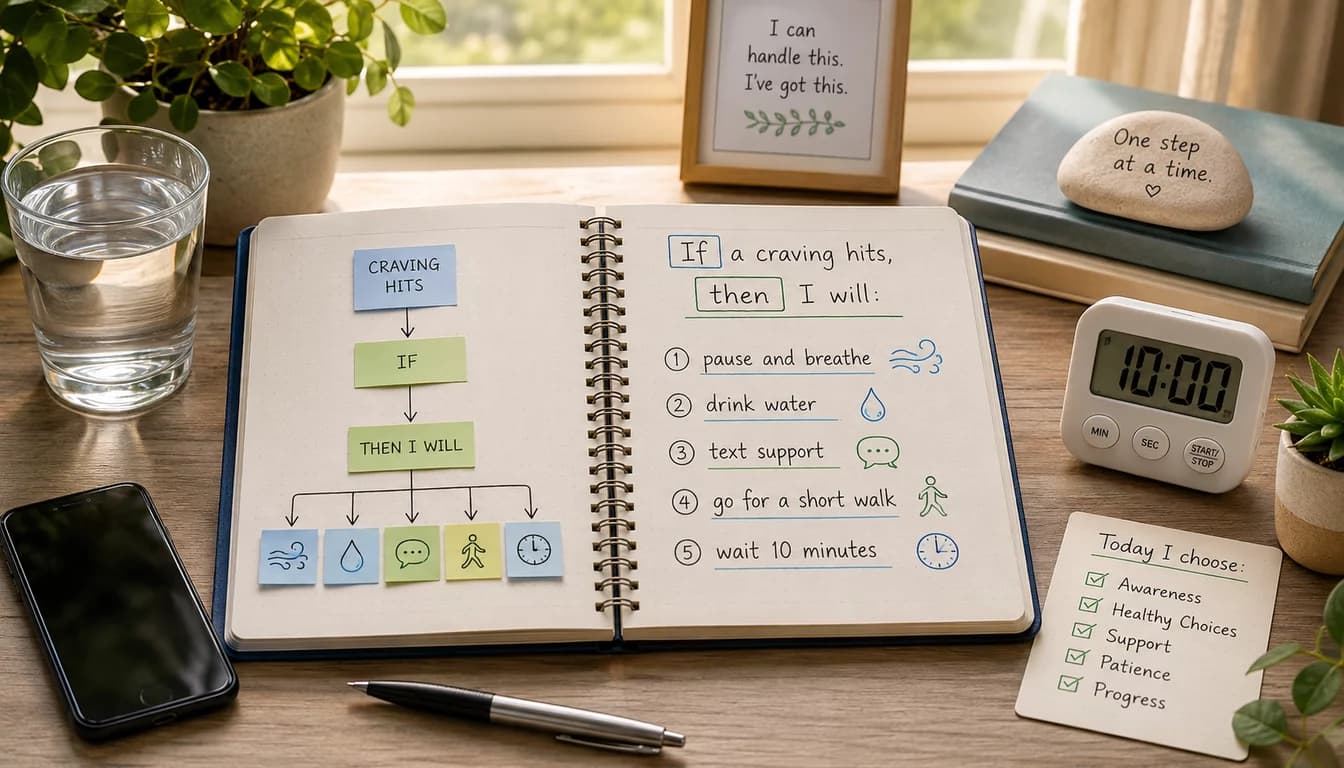
If-then implementation intentions pre-decide your response to a craving before it hits, so the right move runs on autopilot when willpower is weakest.
Read article
Early sobriety feels flat because your dopamine receptors are depleted, not because life is boring. Here's the timeline and how to survive the grey phase.
Read article
You quit and nothing feels good. This is anhedonia — a neurochemical phase with a predictable timeline for alcohol, cannabis, stimulants, and opioids.
Read article
Every program teaches you to handle cravings. Almost none teach you how to be bored. Boredom intolerance is the most underrated relapse trigger.
Read article
The '90 days' answer is dangerously oversimplified. Here are real dopamine recovery timelines for alcohol, cannabis, stimulants, and opioids.
Read article
You made it through detox. So why do you still feel wrong months later? This is PAWS — and it has a predictable month-by-month timeline nobody explains.
Read article
Thirty days is the clinically recommended minimum for dopamine recovery. Here is exactly what to expect each week — and how to survive the hardest parts.
Read article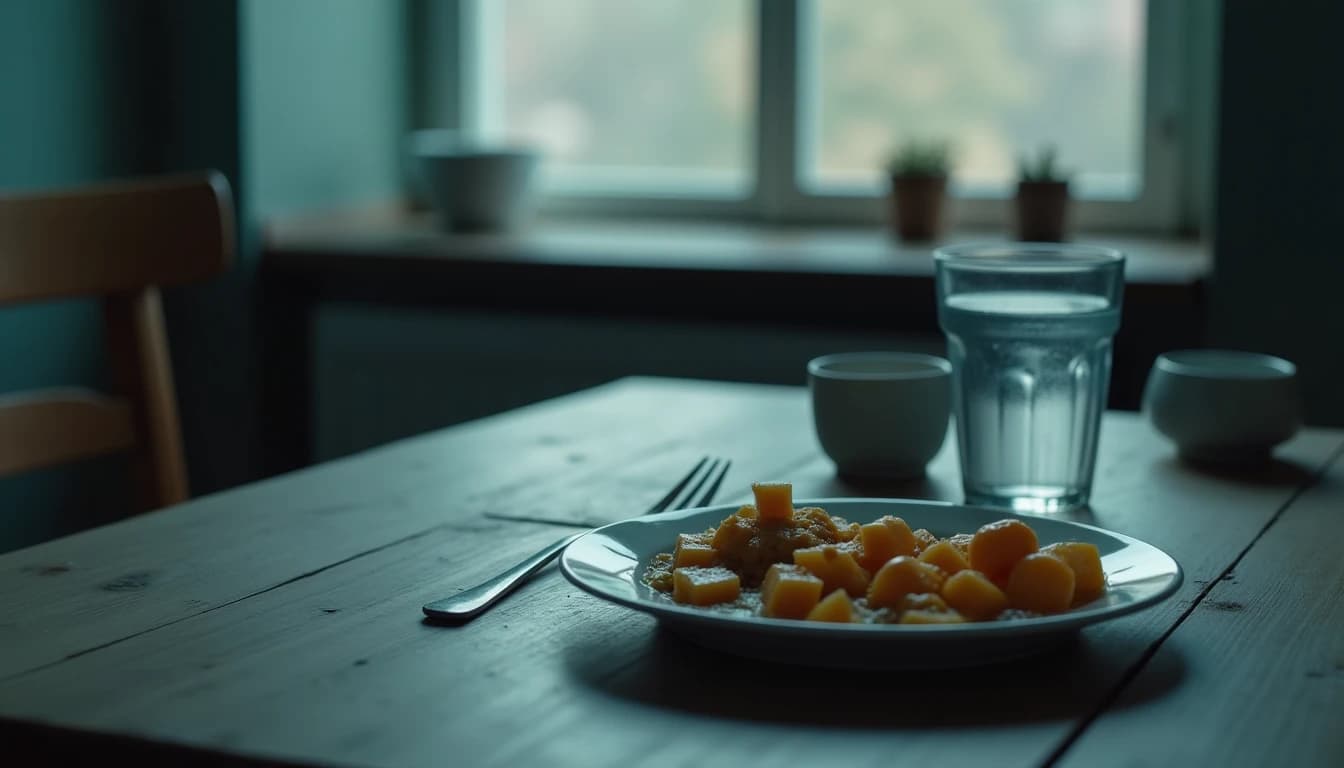
Sober and doing everything right, yet nothing feels good. This is the dopamine deficit state — temporary and recoverable. Here's how long it lasts.
Read article
Why you crave sugar after quitting alcohol — the biochemistry, the timeline, and what to do without trading one addiction for another.
Read article
White-knuckling sobriety means holding on through willpower alone. Neuroscience explains why it always fails — and what to build instead of just enduring.
Read article
Sleep deprivation impairs impulse control, amplifies cravings, and slows dopamine receptor recovery. The sleep-recovery timeline and what actually helps.
Read article
Pink cloud syndrome is the euphoric early-sobriety phase that feels like proof you're cured. Here's why it fades — and how to ride it safely.
Read article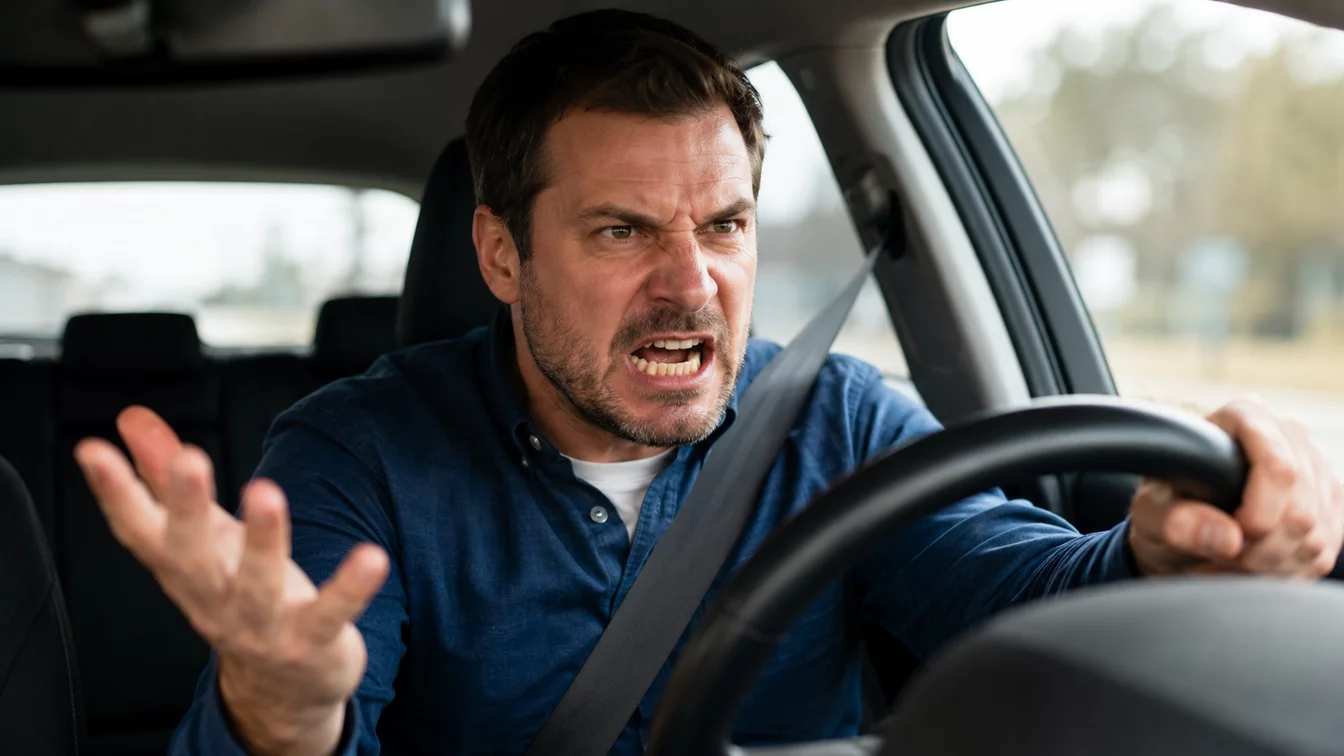
Anger in early sobriety is the numbing wearing off. Here's why rage surfaces in early recovery, how long it lasts, and how to handle it without relapsing.
Read article
Brain fog after quitting weed feels like your mind is wrapped in gauze. Here's what's happening, how long it lasts, and how to think clearly again.
Read article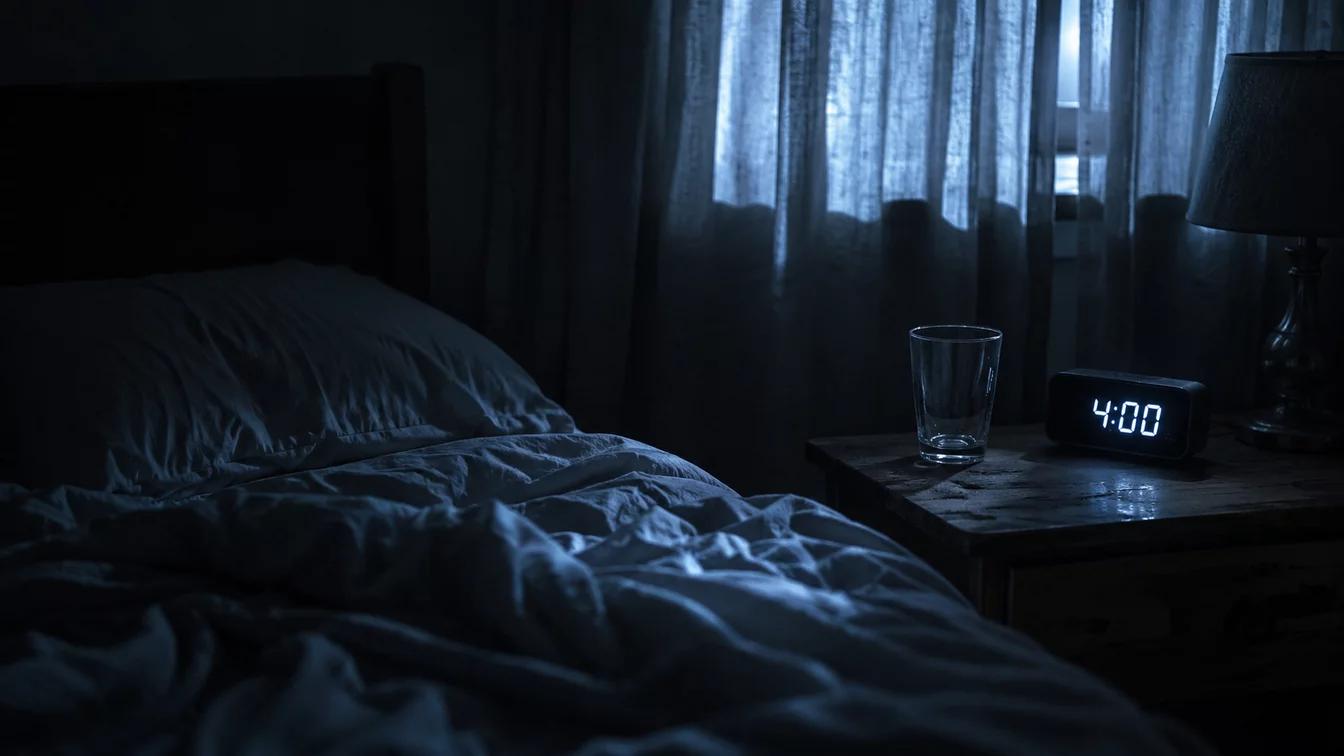
Drinking dreams are common in recovery and rarely predict relapse. Here's what they mean, why they happen, and how to handle them when you wake up.
Read article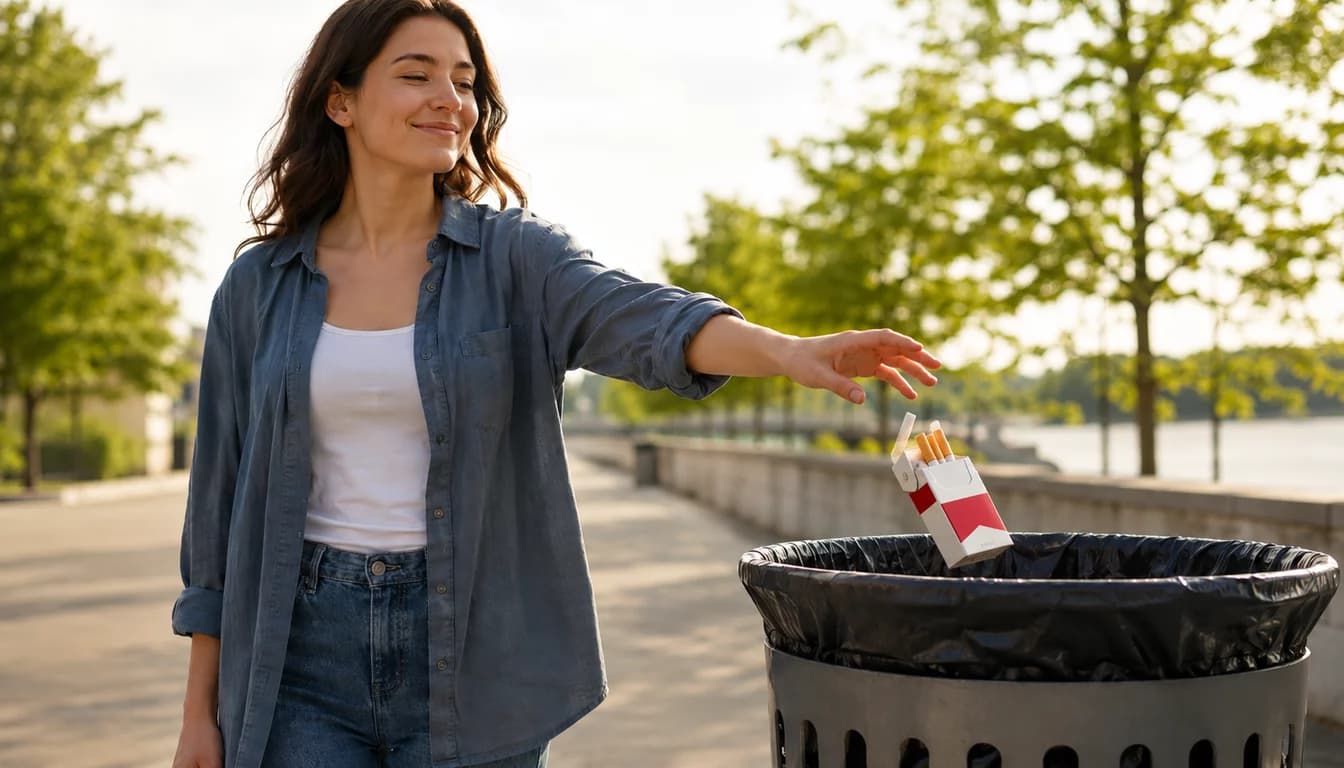
A direct, hour-by-hour and week-by-week guide to nicotine withdrawal — when symptoms hit, when they peak, and how to survive the first 72 hours.
Read article
Self-forgiveness after addiction is not pretending it didn't happen. It's a structured process of accountability, repair, and refusing to feed shame.
Read article
Quitting alcohol can feel like losing a friend. Here's why the grief is real, what stages it moves through, and how to get through it without relapse.
Read article
Moderation or abstinence? An honest look at what the research says, who actually succeeds at each path, and how to decide for your own recovery.
Read article
Your first sober vacation is a stress test, not a victory lap. How to plan it, what to pack, the moment of arrival, and what to do if you slip.
Read article
Sober dating in early recovery is high-risk. Here's how to know when you're ready, what red flags to watch, and how to date without losing sobriety.
Read article
Sober sex in early recovery feels strange, vulnerable, and sometimes terrifying. Here's what's actually happening and how to get through it.
Read article
A calm, honest guide to kratom withdrawal — when symptoms start, how the acute phase feels, what PAWS looks like, and when to get medical help.
Read article
Character AI got into your routines, your shame, your sleep. Here's how to recover — what withdrawal feels like and which tools actually work.
Read article
Cannabis withdrawal has a predictable shape — what the first 72 hours, peak week, and post-acute phase actually feel like when you quit.
Read article
Vivid dreams hit hard after quitting weed. Here's why your brain produces them, when they fade, and how to sleep through the rebound.
Read article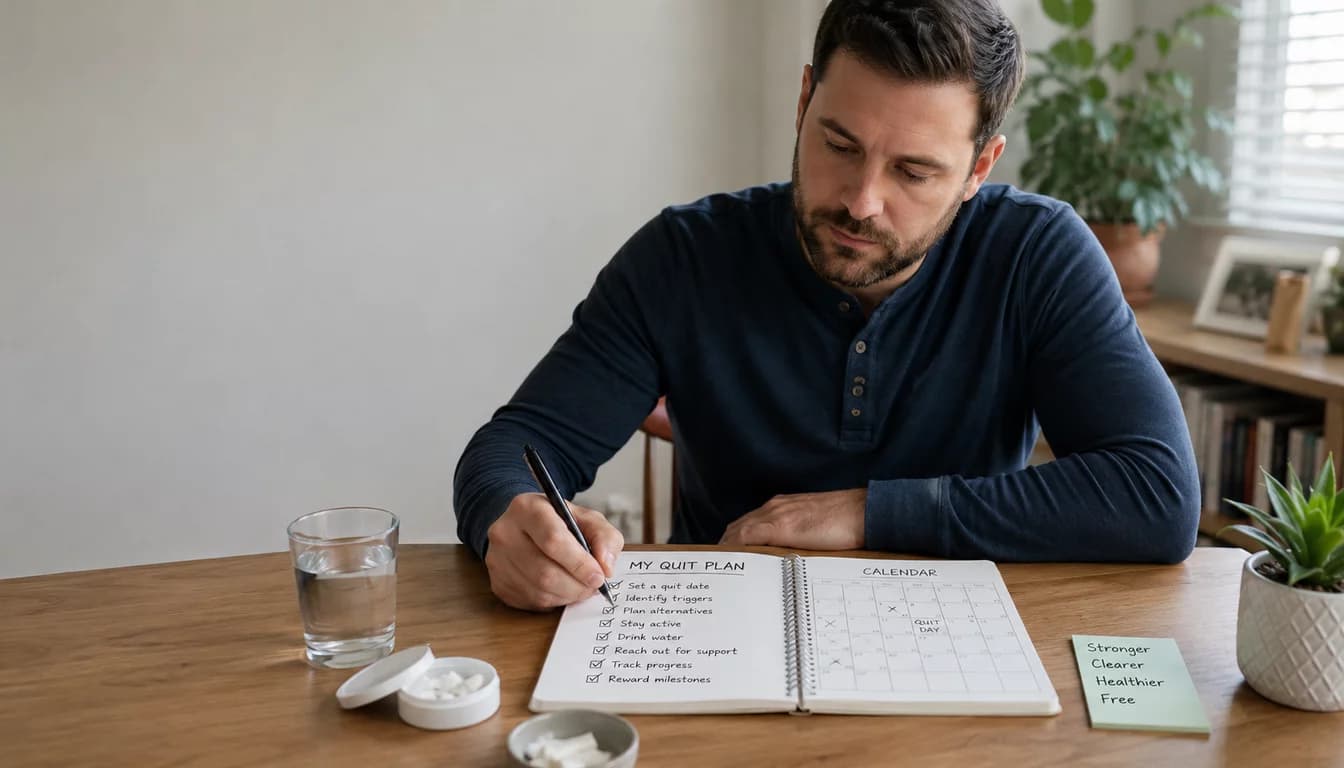
How to quit Zyn nicotine pouches: taper vs cold turkey, withdrawal timeline, the habit loop around the tin, and where to get free help.
Read article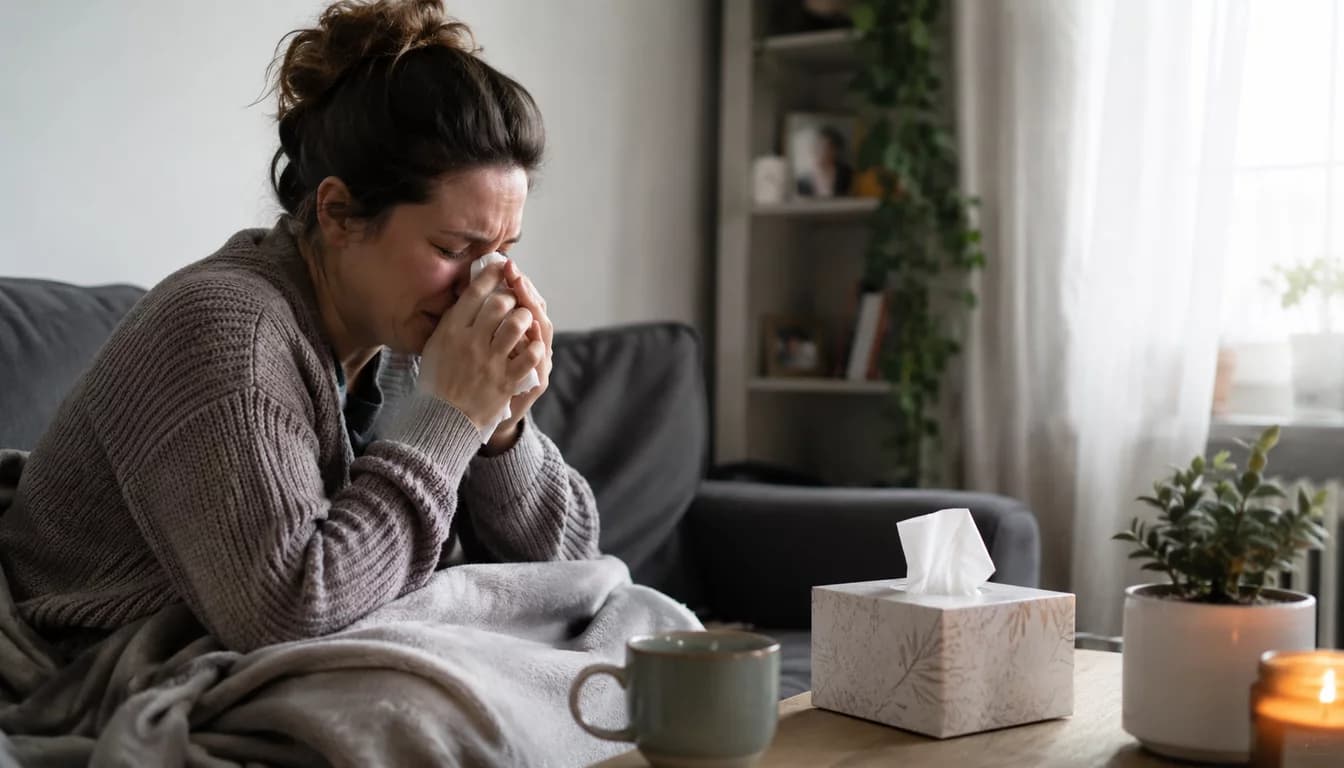
Why crying spells hit hard in early sobriety, how long they typically last, and what to do when the tears come without warning.
Read article
What thirty days sober actually feels like — the body, the emotions, the cravings, and why day 31 matters more than day 30.
Read article
Your first sober birthday is a setup for relapse. Here's how to plan it, handle the pressure, and walk out of the day still sober.
Read article
Hunger swings, sugar cravings, and weight shifts are normal in early sobriety. Here's what is happening in your body and how to feed yourself through it.
Read article
A realistic timeline for night sweats after quitting alcohol, why they happen, what helps, and the warning signs that mean you need medical care now.
Read article
Coffee is the unofficial drink of recovery. Here's an honest look at when caffeine helps you stay sober and when it quietly sabotages you.
Read article
Why your legs feel restless when you quit drinking, how long it lasts, and what actually helps you get through the worst nights of withdrawal.
Read article
Day 90 sober is a real milestone, but not a finish line. What actually changes at 90 days, why relapse risk shifts, and how to use the marker well.
Read article
Why you feel exhausted after quitting alcohol, how long sobriety fatigue lasts, and what actually helps you get your energy back in early recovery.
Read article
Why your stomach hurts after quitting alcohol, how long it lasts, what helps, and the red flags that mean call a doctor immediately.
Read article
Day 3 sober is when withdrawal often peaks and cravings spike. What to expect, when to call a doctor, and how to get through the next 24 hours.
Read article
A raw, scratchy throat during alcohol detox is common. Here's what's actually causing it, how long it lasts, and when to call a doctor.
Read article
What 7 days no alcohol really looks like: withdrawal, sleep, mood, cravings, and what week two demands once the acute crisis passes.
Read article
Hitting two weeks without alcohol is real progress, but day 15 has its own traps. What's actually changed, what hasn't, and how to keep going.
Read article
Day 5 sober is a real milestone and one of the riskiest points in early recovery. What's happening in your body and how to protect day 6.
Read article
Six months sober brings real health gains and a hidden relapse risk. What actually changes, why the half-year mark is dangerous, and how to protect it.
Read article
60 days sober often feels worse than 30. Here's why the pink cloud lifts, what's changing in your brain, and how to keep going through month two.
Read article
Your brain processes pleasure and pain in the same place — like a seesaw. Understand this, and tolerance, withdrawal, and recovery all make sense.
Read article
Before 9 AM you've hit your reward system with half a dozen dopamine triggers. This invisible stacking makes recovery harder — here's how to destack.
Read article
Did addiction break your brain permanently? No. The changes are measurable but largely reversible. Here's what changed and how it heals.
Read article
Is addiction a brain disease, a choice, or something else? Marc Lewis argues it's a learning process — and that changes everything about recovery.
Read article
Does 'once an addict, always an addict' hold up? Neuroplasticity tells a different story — the brain that learned addiction can learn its way out.
Read article
Addiction progressively narrows what brings you pleasure. The neuroscience behind the narrowing — and a protocol for widening your world back out.
Read article
Most people with addiction eventually stop — often without treatment. The neuroscience of 'maturing out' reveals what recovery actually requires.
Read article
Childhood trauma increases addiction risk tenfold. How trauma rewires the brain — and why recovery must address the wound, not just the substance.
Read article
Semaglutide reduced alcohol cravings more than existing meds in a clinical trial. Here's what GLP-1 drugs do to the reward system — and the caveats.
Read article
Hangxiety is post-drinking anxiety caused by a GABA-glutamate rebound. What it is, why it happens, and what actually helps in the next few hours.
Read article
Sober curious means questioning drinking; sober means stopping. Learn which path fits you — and why the distinction matters in real recovery.
Read article
ADHD and addiction share a neurobiology of self-regulation. Why people with ADHD are wired to self-medicate—and what actually helps.
Read article
When anxiety and addiction occur together, treating one without the other fails. Here's what dual diagnosis means and how integrated recovery works.
Read article
The addictive personality is a myth. Here's what researchers like Szalavitz and Griffiths actually found about who develops addiction and why it matters.
Read article
Tolerance, dependence, and addiction are not the same thing. Learn how to tell them apart and why the distinction changes what kind of help you need.
Read article
Berridge's research shows wanting and liking are separate brain systems. Here's why you can crave a drug you no longer enjoy — and what to do.
Read article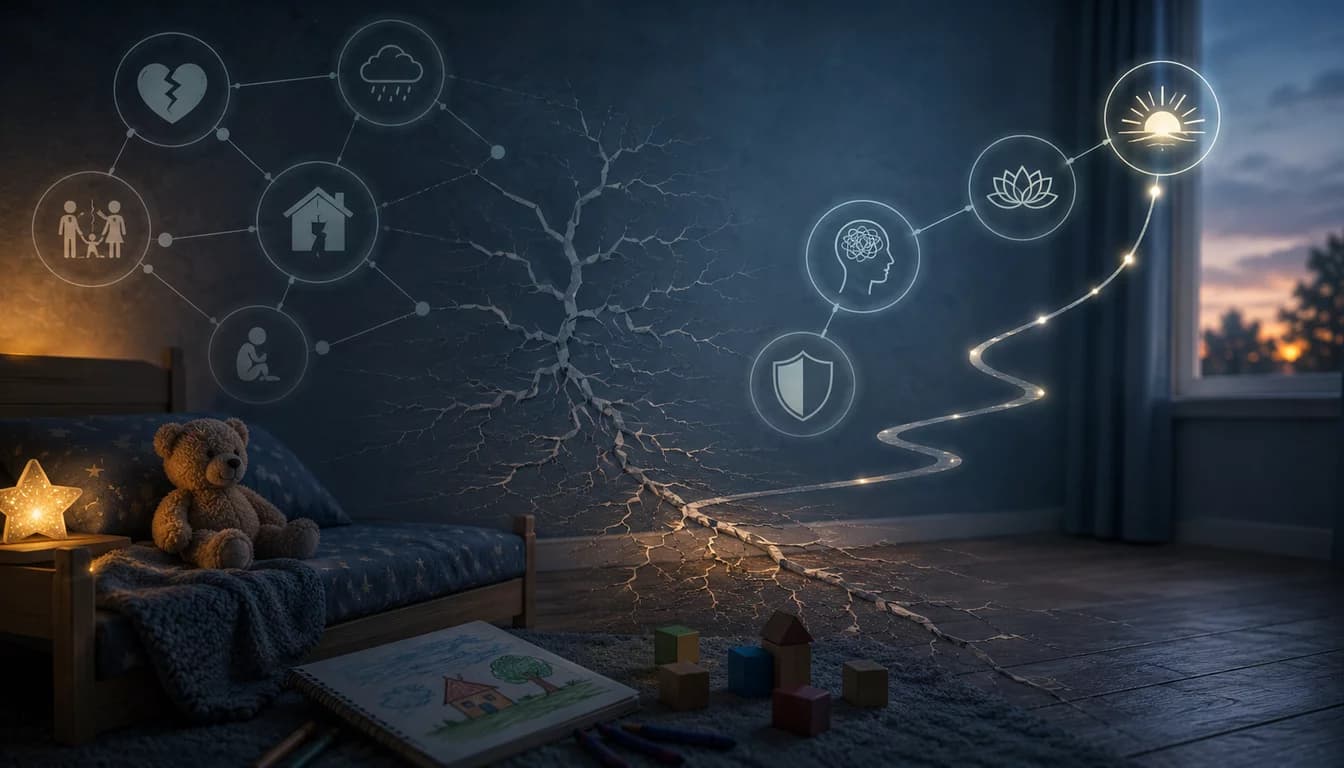
Your ACE score measures childhood trauma and predicts addiction risk. Here's what the research shows, and what to do with the number you get.
Read article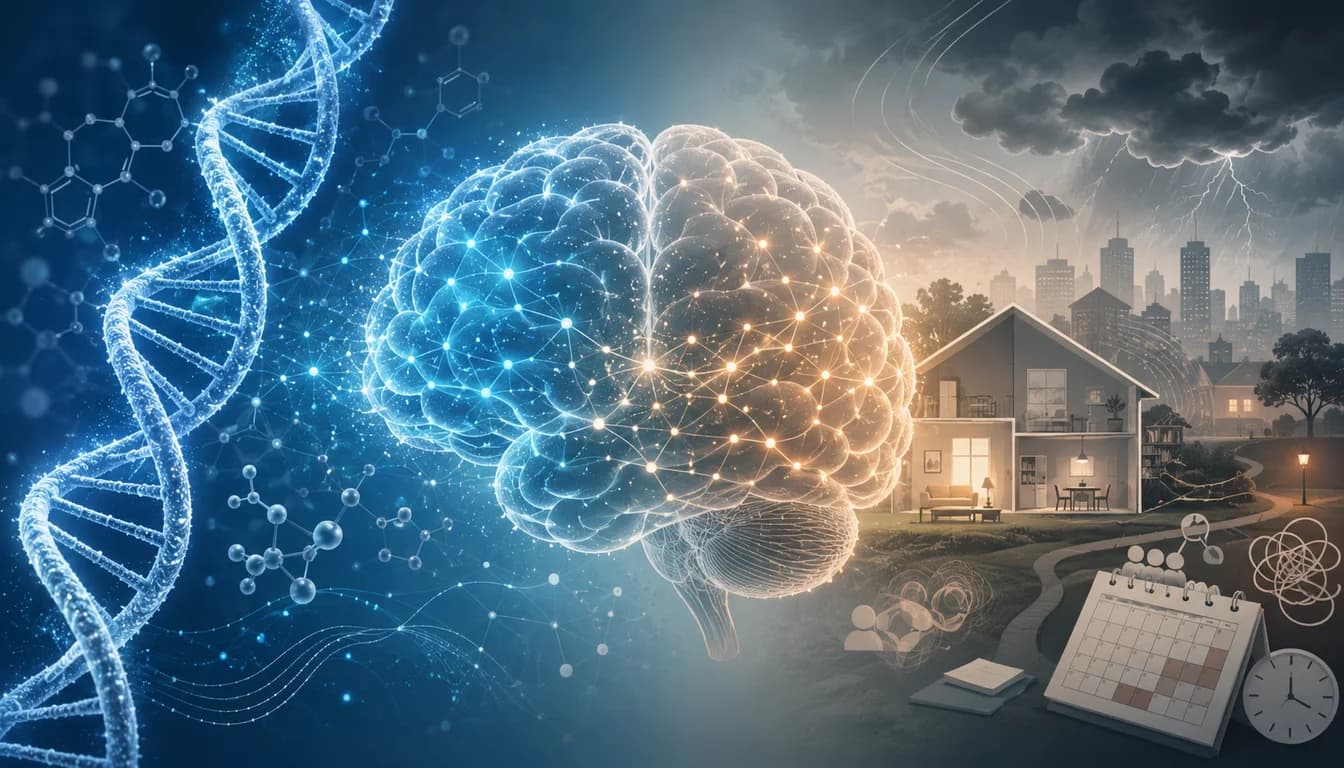
Addiction runs in families, but the cause isn't just DNA. Here's what genetics, epigenetics, and early environment actually do to addiction risk.
Read article
A direct guide for adults quitting compulsive video gaming: how to tell if you're addicted, what to expect, and what actually works in the first 90 days.
Read article
Why a craving hits right after a full meal: the brain wiring behind 'wanting' that has nothing to do with hunger, and what to do about it.
Read article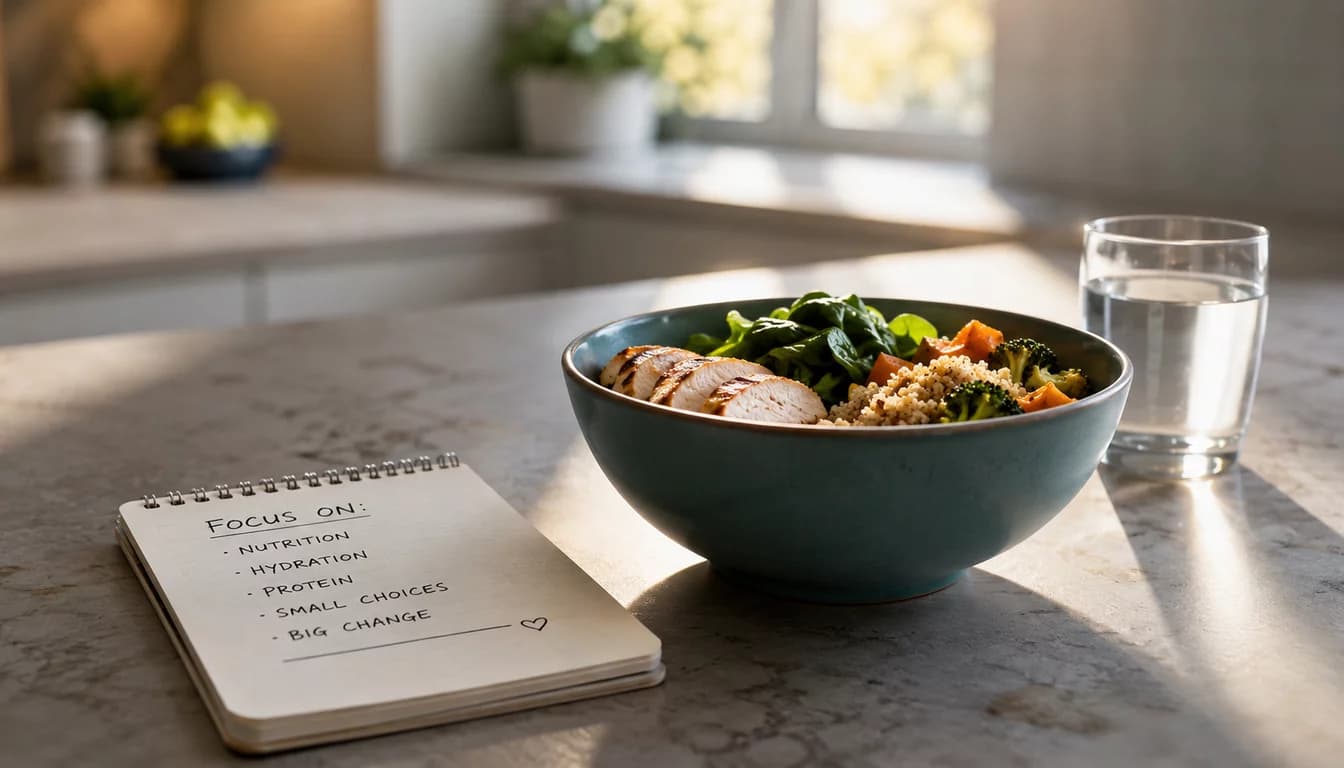
After gastric bypass, alcohol hits faster and cravings often emerge with no prior drinking history. Why it happens and what to do, with SAMHSA help.
Read article
Your phone has more triggers per square inch than any bar. Nobody tells you to audit it. Here's why you should — and how to do it.
Read article
You use. You feel shame. You use to escape the shame. Round and round. Here's how the shame spiral works — and how to break it with one conversation.
Read article
You quit drinking and now you can't stop eating ice cream. This is cross-addiction — it has a clear neurological basis. Here's how to protect yourself.
Read article
Relapse is not a moment — it's a process that starts weeks before you pick up. Here are the three stages, warning signs, and how to intervene at each.
Read article
PET scans of compulsive overeaters show the same dopamine receptor changes as cocaine users. Sugar addiction is real — and the same tools work here.
Read article
Willpower fails in addiction because the prefrontal cortex tires while desire does not. Here are 5 strategies that actually work instead.
Read article
Ego depletion is more complicated than you've been told. Updated research shows willpower isn't a simple tank — and that changes recovery strategy.
Read article
Romantic love and addiction use the same brain circuits and neurochemistry. This parallel reveals something important about what addiction really is.
Read article
Your brain is wired to choose now over later. In addiction, this becomes a trap. Here's how instant gratification works and how to bridge the gap.
Read article
One drink becomes six. One slip becomes a relapse. The 'screw it' moment is all-or-nothing thinking — and the 10 minutes after a slip decide everything.
Read article
19.5% of people with alcohol use disorder are 'functional' — employed, educated, stable. Here's why success makes addiction worse and what actually works.
Read article
Brain imaging shows compulsive overeaters have the same dopamine reductions as cocaine addicts. Here's why 'just eat less' fails and what actually works.
Read article
Evenings hit hardest in early sobriety. Here's why the urge surges after dark, and the structural moves that get you through the danger window.
Read article
HALT — Hungry, Angry, Lonely, Tired — is the recovery acronym that catches relapse risk before it becomes a craving. Here's how to use it, in detail.
Read article
Concrete strategies for staying sober at a wedding — pre-event commitments, drink-in-hand tactics, exit plans, and what to do when the toast hits.
Read article
A direct, practical guide to the first hours and days after a relapse: stop the sequence, refuse the shame ritual, and rebuild without starting over.
Read article
Your first sober Christmas is a high-risk stretch. Here's how to plan exits, refusals, and rituals so you don't drink your way through it.
Read article
Euphoric recall is the memory distortion that romanticizes your old using days and erases the wreckage. Here is how to spot it and shut it down.
Read article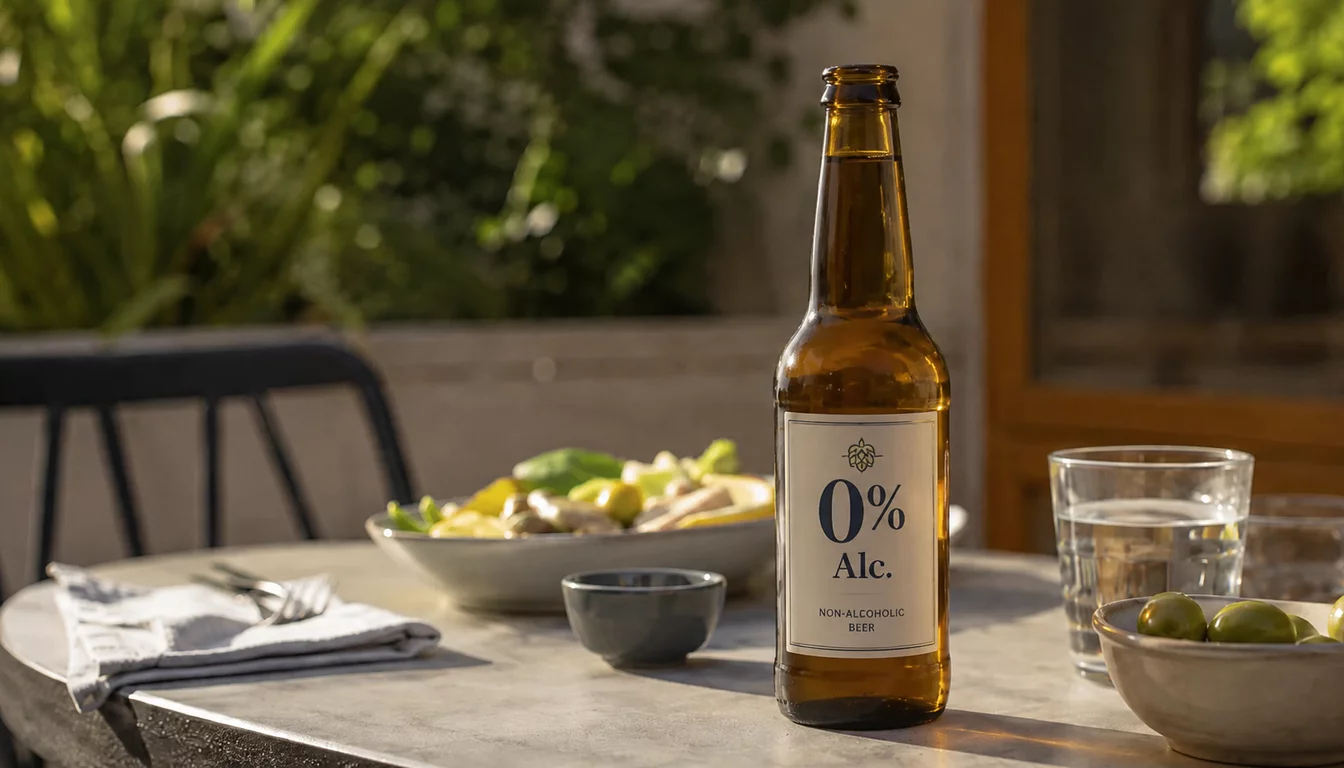
The trace alcohol in NA beer is rarely the real danger — the cue is. When non-alcoholic beer is safe in recovery, when it isn't, and how to decide.
Read article
Grief is one of the most dangerous relapse triggers in recovery. Here's how to mourn without using, and what to do when the urge hits.
Read article
The chaser effect is a surge of porn cravings after orgasm during recovery. Here's why it happens and how to ride it out without relapsing.
Read article
Cravings at five years sober don't mean recovery failed. Learn why old pathways reactivate, what the urge is really telling you, and how to respond.
Read article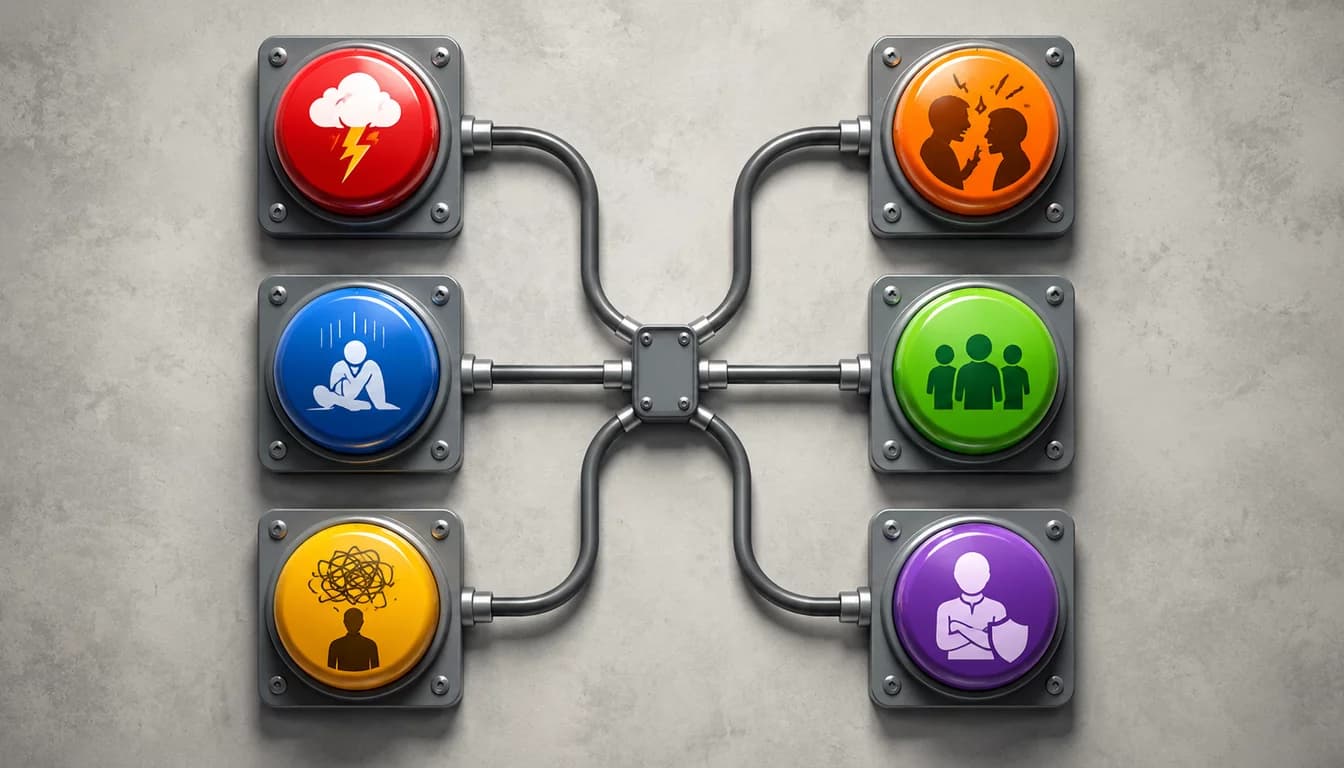
Triggers feel invisible until you map them. Use this five-category diagnostic to find what fires your craving before the behavior takes over.
Read article
Kindling makes each alcohol withdrawal more severe than the last. What it is, who is at risk, and why home detox can become medically dangerous.
Read article
A fight with your partner can detonate a craving within minutes. Here is what is happening in your brain and what to do in the first hour.
Read article
Weekends are the highest-risk window in early recovery. Here is why boredom triggers relapse on Saturdays and Sundays — and how to structure the days.
Read article
Airport bars are engineered to break your sobriety. Here's how to walk through Terminal B without ordering, and how to fly without alcohol.
Read article
Why summer and vacations spike relapse risk, and the specific structure that keeps your recovery intact when your routine disappears.
Read article
Social media is engineered like a drug and floods recovery with cues. Here's how to curate, restrict, and survive the feed without relapsing.
Read article
Why a single whiff of beer, smoke, or a familiar perfume can trigger an instant craving, and how to defuse smell-based conditioned cues.
Read article
Cravings during PMS week are driven by hormonal shifts that intensify food and substance urges. Here's how to plan for the luteal-phase storm.
Read article
Cold water immersion produces a dopamine spike comparable to cocaine — but with a slow rise and long tail. Here's the science and a protocol for recovery.
Read article
Lying in addiction is neurological, not just moral. And honesty is a recovery tool that directly affects the same brain circuits addiction disrupts.
Read article
Can you recover from addiction without rehab? 60 years of data shows most people do. Here's what research says — and when you need help.
Read article
Around month 2-3, the question hits: who am I now? How to rebuild identity when the substance was everything — through action, ritual, and narrative.
Read article
People trapped in addiction live in a permanent present. Recovery begins when you connect past to future. The story itself is the mechanism.
Read article
Exercise boosts every neurotransmitter involved in mood regulation. Here's the anti-craving mechanism and a realistic protocol for early recovery.
Read article
Rat Park showed isolated rats consumed 20x more morphine. Here's why addiction creates loneliness — and how to break the isolation trap.
Read article
Recovery defined by avoidance has no momentum. Marc Lewis's research shows people who beat addiction didn't just stop — they started becoming someone.
Read article
You can't make someone recover. But you can change the environment. Here's what works — boundaries vs. ultimatums, when to stop enabling, and self-care.
Read article
Addiction doesn't just affect the person using — it rewires the whole relationship. How trust collapses, codependency forms, and what rebuilding requires.
Read article
Direct scripts for telling friends you stopped drinking — what to say, what to skip, and how to handle pushback without losing yourself or the friendship.
Read article
Practical strategies for building real sober friendships in adulthood — what works, what to avoid, and how to push through the awkward early stage.
Read article
Alcohol is a short-term anxiolytic with a brutal rebound. Here's what social anxiety actually requires in recovery — and what works instead of drinking.
Read article
Your friends still drink and you don't. Here's how to handle the parties, the questions, and the slow sorting of who stays and who fades.
Read article
Practical guidance for parenting in recovery — managing cravings around your kids, rebuilding trust, and breaking the intergenerational pattern.
Read article
Making amends in recovery is more than apologizing. Learn direct, indirect, and living amends — when to make them, when not to, and what to say.
Read article
How to rebuild finances after addiction — assess the damage, stabilize income, repair credit, and protect your sobriety in the process.
Read article
Recovery journal prompts that go beyond gratitude lists — trigger mapping, addictive-voice tracking, and what to write when the urge hits hard.
Read article
What sober curious actually means for Gen Z, why mindful drinking is reshaping a generation, and how to tell if it's working for you.
Read article