Sober Curious Gen Z: Mindful Drinking, Honestly
Written by Jakub Havelka
Software engineer · 10+ years in recovery · Author of the Craving Toolkit
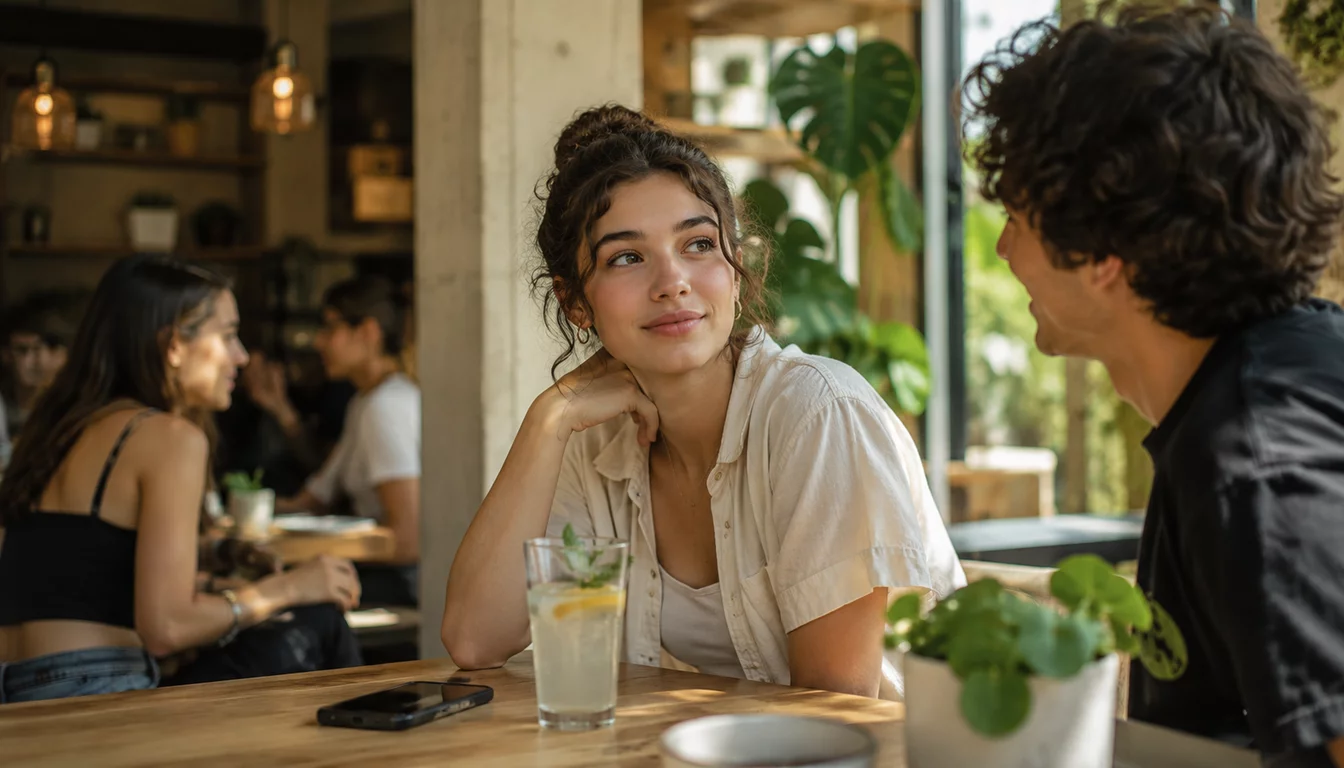
You are nineteen, or twenty-six, at a rooftop bar in a city you moved to for work. Everyone has a drink. You order a yuzu soda with rosemary, the bartender does not blink, and the friend next to you orders the same. Nobody explains themselves. Nobody is in recovery. Nobody is drunk. This is what sober curious looks like at ground level in 2026, and it is the social water Gen Z is swimming in.
The category has a name now, and a market around it, but the underlying behavior is older and simpler: ask why before you drink, instead of asking why not.
What does "sober curious" actually mean?
The term was popularized by Ruby Warrington's book of the same name, and the idea is narrower than the marketing suggests. Sober curious does not mean sober. It means questioning. You stop treating alcohol as the default ingredient in every dinner, date, and Sunday. You start asking: do I actually want this drink, or am I reaching for it because it is in front of me?
That single question, repeated, changes a lot.
Mindful drinking is the practical form of that question. You set your own limits before you walk in. You track how you feel the next morning. You notice which situations push you past your line. It is closer to mindful eating than to a recovery program, and that is the point. The audience is not people who have lost everything to alcohol. It is people who have noticed alcohol quietly taking more than it gives.
For a sharper look at where curiosity ends and recovery begins, see sober curious vs sober. The two are not the same path, and pretending they are gets people hurt.
Why is Gen Z drinking less than the generations before them?
The data is consistent across surveys: your cohort drinks less, drinks later, and abstains more. Mintel's reporting puts roughly a third of Gen Z as full abstainers. If you sit anywhere in that range, four forces probably already feel familiar.
Health literacy. You probably already know alcohol is a Group 1 carcinogen. You grew up with sleep trackers and the mental health discourse that made anxiety a named condition, not a personal failing. The "red wine is healthy" story collapsed publicly during your teens. The National Institute on Alcohol Abuse and Alcoholism is now blunt about the dose-response relationship between alcohol and harm, and that information sits inside your decision instead of outside it.
Mental health. If anxiety is the background hum of your week, you have probably noticed alcohol makes it worse the next day, not better. Anna Lembke describes the mechanism cleanly: pleasure and pain sit on the same balance in the brain, and every tip toward pleasure produces an equal tip back toward pain. The hangover anxiety after a night of drinking is not a side effect. It is the bill.
Money. A round of cocktails in a city now costs what a week of groceries used to. When you are already squeezed, the math stops working.
Where you spend time. The bar is not your only third place anymore. You socialize through games, group chats, fitness classes, and cafes that close at nine. The structural reason older generations drank, that drinking was where the people were, is weaker for you now.
The default has shifted, and shifting the default does most of the work.
How is mindful drinking different from full sobriety?
Mindful drinking is a moderation practice. Sobriety is an abstinence practice. They sound similar and they are not.
Moderation works for people whose brains can hold a limit. You set two drinks, you have two drinks, you stop, you sleep. Nothing in your nervous system is screaming for a third. The next weekend you do it again without internal negotiation. That is mindful drinking working.
Abstinence is what you need when moderation keeps failing. The Reddit forum r/stopdrinking is full of people who tried, sincerely, to drink "normally" again and discovered they could not. I learned this the hard way in rehab and from my own pattern in the year before: for some brains, the third drink is decided by the first, and the first is decided long before you arrive. If that is your pattern, mindful drinking is not a tool you have access to, and dressing it up in wellness language will only delay you.
A useful test: can you stop once you start, every time, without it taking effort that ruins the night?
If yes, sober curious is a fit. If no, you are past curious.
What do sober curious Gen Zers actually drink?
The drinks have gotten good. That matters more than wellness writers want to admit.
The category used to mean Diet Coke and water with lime. Now it means non-alcoholic spritzes with real bitterness, hop waters that taste like beer without the comedown, alcohol-removed wines that hold up at dinner, kava and mushroom drinks aimed at the same relaxation reward, and elevated juices that justify a ten-dollar price tag at a restaurant. The bartenders care. The menus list them next to cocktails instead of in a back corner.
This matters because of how habits actually change. Charles Duhigg's habit loop research is blunt on the point: you almost never eliminate a habit by removing the routine. You replace the routine while keeping the cue and delivering a similar reward. The cue (Friday night, work ending, friends gathering) stays. The reward (something cold in your hand, a transition signal, a social ritual) stays. Only the routine changes.
A good non-alcoholic drink is not a wellness gimmick. It is a working substitute that lets the loop keep running without the cost. For more on why this matters, see the habit loop in addiction.
What does the trend get right, and what does it hide?
The sober curious story is mostly true. You and your cohort are drinking less. That is real and probably good.
The part the story hides is what is replacing the alcohol. Reporting from Addiction Resource and Click2Houston both flag the same complication you may already be noticing in your own friend group: as alcohol use falls, cannabis use, nicotine vape use, and use of hallucinogens are climbing. The total dependence load has not necessarily dropped. It has redistributed.
If you trade a six-pack for a daily cart, or a glass of wine for a nightly edible to sleep, you have not gone sober curious. You have changed substances. The relief you are buying is the same. The bill at the back end is the same shape.
The mindful in mindful drinking has to extend to everything you put in your body, or it is just rebranding.
The same goes for caffeine. If your sober curious morning is propped up by a maxed-out pre-workout and three cold brews, you are running a different version of the same trade. The article on caffeine replacing alcohol in recovery maps how that plays out.
How do you practice sober curious without fooling yourself?
Pick a window. Thirty days is enough to feel something and short enough to commit to. Then run these:
Track every drink, including zero. Note the time, the situation, the number, and how you felt the next morning. Patterns emerge fast. You will probably find that most of your drinking is two or three specific situations, not a general fondness for alcohol.
Pre-decide before you arrive. Walking into a bar without a number is how you end up at five. Walking in with "two and water after" is how you end up at two. Decide when sober, not when buzzed.
Stock the alternative at home. The hardest moment is the 6pm transition from work to evening. If the only thing in your fridge is beer, beer wins. If there is a good non-alcoholic option already cold, it wins about half the time, which is enough to shift the average.
Watch the nights specifically. Evenings are when most drinking happens, and they are also when evening cravings hit hardest even without alcohol on the table. If your nights feel unmanageable without a drink, that is data worth taking seriously.
Be honest about what you find. Some people finish thirty days lighter, sleeping better, drinking half as much, and that is the end of the story. Other people finish thirty days with a clearer view that they cannot moderate, and the curious phase was actually the on-ramp to recovery.
Both outcomes are useful. Only one of them gets called success in the marketing, and that is the marketing's problem, not yours.
When is sober curious not enough?
If you finish your thirty days and the honest answer is that you could not hold your own limits, that you hid drinks, that you felt physical withdrawal when you stopped, or that anxiety drove you back, you are not failing at mindful drinking. You are getting accurate information about your relationship with alcohol.
That information is worth more than another month of trying harder.
In the US, SAMHSA's National Helpline is free, confidential, and open 24/7: 1-800-662-4357. It is not a commitment to anything. It is a conversation with someone trained to help you figure out the next step.
Curiosity is a starting point. It is not a destination.
Sources
- Warrington R. Sober Curious: The Blissful Sleep, Greater Focus, and Deep Connection Awaiting Us All on the Other Side of Alcohol. HarperOne, 2018. - Lembke A. Dopamine Nation: Finding Balance in the Age of Indulgence. Dutton, 2021. - Duhigg C. The Power of Habit. Random House, 2012. - National Institute on Alcohol Abuse and Alcoholism (NIAAA). "Alcohol's Effects on the Body." niaaa.nih.gov. - Substance Abuse and Mental Health Services Administration (SAMHSA) National Helpline: 1-800-662-HELP (4357). samhsa.gov. - Mintel. "Gen Z: The Sober Curious Generation." mintel.com. - The Conversation. "The rise of 'sober curiosity': Why Gen Zers are reducing their alcohol consumption." 2024.
The Craving Toolkit includes worksheets for tracking drinking patterns, mapping cues, and deciding honestly between moderation and abstinence.
Frequently Asked Questions
- What does sober curious actually mean?
- Sober curious is the practice of questioning every drink instead of defaulting to yes. You still might drink. But you ask why, when, and how much, and you pay attention to what alcohol costs you in sleep, mood, and money. It is closer to mindful eating than to AA.
- Why is Gen Z drinking less than older generations?
- Several forces stack up: higher health awareness, anxiety about mental health, tighter budgets, and social lives that happen on phones rather than at bars. Reporting from Mintel and The Conversation also notes that Gen Z grew up watching older generations struggle with alcohol, which made the default less attractive.
- Is sober curious the same as being in recovery?
- No. Recovery usually means alcohol is not a safe option for you, often because of dependence or harm. Sober curious means you still have the option and are choosing to use it less. If moderation keeps failing or you cannot stop once you start, you may be past curious and into recovery territory.
- Does cutting back on alcohol actually improve mental health?
- Most people report better sleep, lower baseline anxiety, and steadier mood within a few weeks of cutting back. Anna Lembke describes alcohol as a pleasure-pain seesaw: every buzz creates a matching dip. Removing or reducing the buzz also removes the dip, which is often where the anxiety lives.
- What about cannabis, vaping, or kratom replacing alcohol?
- This is the catch in the sober curious story. Reporting on Gen Z substance use shows cannabis, nicotine vapes, and hallucinogen use climbing while alcohol falls. Swapping one dependence for another is not mindful drinking. It is [cross-addiction](/articles/cross-addiction-quitting-one-leads-to-another) wearing a wellness label.
- How do I know if I should stay curious or go fully sober?
- Track honestly for thirty days. If you can comfortably hold to your own limits, sober curious is working. If you keep blowing past them, hide bottles, drink alone to manage anxiety, or feel withdrawal when you stop, you are past curiosity. Call SAMHSA at 1-800-662-4357 for free, confidential guidance.